



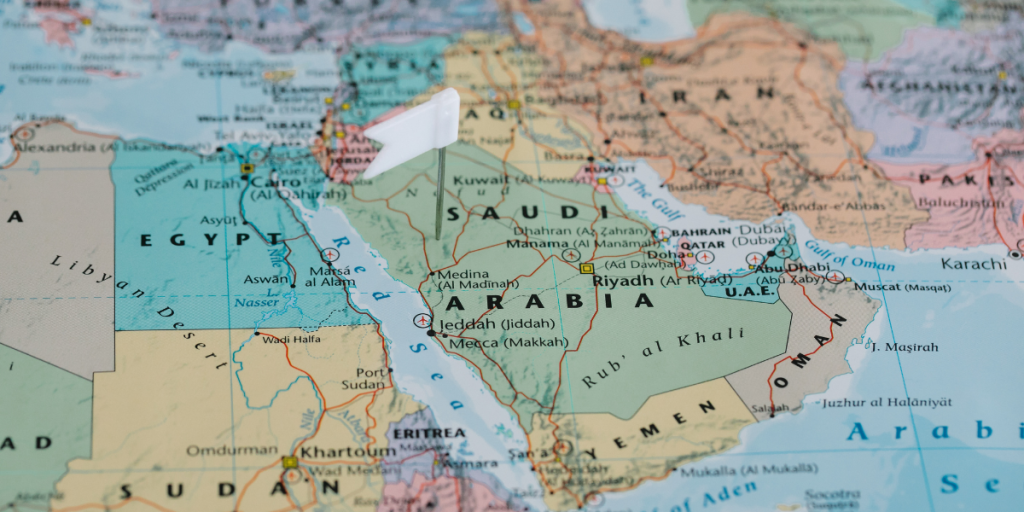
HDPE fittings for gas distribution infrastructure in the Gulf region are specified under some of the most demanding conditions that polyethylene pipeline systems encounter anywhere in the world. Kuwait, Jordan, Saudi Arabia, the UAE, and Oman are expanding their natural gas distribution networks to serve growing urban populations and to transition residential and commercial consumers from other fuel sources.
The combination of extreme summer temperatures, varied desert terrain, stringent safety standards from national gas utilities, and the critical importance of gas supply continuity creates a specification environment where the performance requirements of the fitting and the documentation requirements of the operator are equally important to the project outcome.
Gas System Requirements in Gulf Markets
Natural gas distribution in the Gulf region operates within a regulatory framework defined by national gas utilities whose technical specifications typically reference international standards, while adding market-specific requirements related to material qualification, installation procedures, operator certification, and as-built documentation. Engineers and contractors working in Gulf gas markets must navigate both the technical performance requirements of the standards and the administrative compliance requirements of the utility, which can vary significantly between countries and between different distribution zones within the same country.
The gas distribution infrastructure in Gulf markets serves a customer base that has grown accustomed to uninterrupted supply, and the utilities that operate these systems have low tolerance for service interruptions caused by infrastructure failures. This reliability expectation places a premium on the joint integrity of the pipeline system, because joint failures are the primary cause of unplanned service interruptions in gas distribution infrastructure. The specification of electrofusion jointing with PE100RC fittings addresses this reliability requirement at the material and process level, providing a technical foundation for gas distribution infrastructure that meets the Gulf region’s expectation of continuous, safe service.
High Ambient Temperature Performance of PE100RC Fittings in Gulf Conditions
Summer temperatures in the Gulf region regularly exceed 45 degrees Celsius at ground level, with soil temperatures at the burial depth of gas distribution mains reaching 35 to 40 degrees Celsius in the hottest months. These temperatures are substantially above the 20-degree reference condition at which the pressure ratings of PE100RC fittings are defined, and the operating pressure of the gas distribution system must be verified against the de-rated pressure capacity of the fitting at the actual soil temperature.
The temperature de-rating of PE100RC fittings under EN 1555 reduces the permissible operating pressure at 40 degrees Celsius to approximately 80 percent of the PN rating at 20 degrees Celsius. For systems designed to operate at higher pressures, the de-rating calculation must be performed explicitly and the appropriate PN class selected to maintain the required safety factor at operating temperature. Plastitalia’s technical team provides temperature de-rating calculations for Gulf region gas distribution projects as part of its system design consultancy service.
Electrofusion Solutions for Safe Gulf Region Gas Infrastructure
Electrofusion jointing is the standard method for gas distribution connections throughout the Gulf region, reflecting both the technical superiority of fusion-welded joints for safety-critical gas applications and the established practice of Gulf gas utilities who specify electrofusion as the required jointing method for all connections in their distribution systems. The combination of automatic parameter control, visual quality indicators, and digital joint logging that modern electrofusion systems provide aligns well with the documentation and traceability requirements of Gulf gas operators.
Joint Integrity and Leak Prevention in Extreme Gulf Climate Conditions
The thermal cycling that Gulf gas distribution systems experience between cool winter nights and extreme summer days generates cyclic longitudinal stresses in buried pipelines that must be managed within the fatigue resistance of the material and jointing system over a 50-year service life. PE100RC fittings provide superior resistance to the slow crack growth that can be initiated by cyclic stress in combination with surface defects or point loading from backfill material, reducing the long-term risk of joint or fitting failure from fatigue mechanisms that accumulate progressively over the service life of the pipeline.
Electrofusion joints, with their monolithic polyethylene structure and absence of mechanical sealing elements, maintain their integrity under thermal cycling without the stress relaxation or gasket creep that affects mechanical joints over time.
Plastitalia Solutions for Gulf Region Gas Infrastructure Projects
Plastitalia supplies PE100RC electrofusion fittings for gas distribution systems in Kuwait, Jordan, Saudi Arabia, the UAE, Oman, and other Gulf and Middle Eastern markets, covering the diameter and pressure class ranges required for medium and high pressure distribution systems in these markets. The product range is manufactured to the requirements of EN 1555, and third-party certification documentation available to support utility acceptance processes.
System design consultancy for Gulf gas projects covers temperature de-rating calculations for operating conditions in Gulf climates, pressure class selection for each distribution tier, fitting specification for installation in desert soil conditions, and documentation protocols for Gulf utility compliance requirements. Plastitalia has experience with the specific requirements of gas distribution projects in Jordan and Kuwait, where the company has supplied fittings for distribution infrastructure projects, and provides project teams in these and other Gulf markets with the application knowledge needed to navigate the technical and administrative requirements of regional gas utilities.
Conclusions
HDPE fittings for gas distribution infrastructure in the Gulf region must address the combined demands of extreme operating temperatures, safety-critical application requirements, and the documentation and compliance expectations of regional gas utilities. PE100RC fittings with electrofusion jointing, specified at the correct pressure class for Gulf operating temperatures and installed with full digital documentation of every joint, provide the technical and compliance foundation for gas distribution infrastructure that meets the Gulf region’s standards for safety, reliability, and asset management. Plastitalia’s product range, regional experience, and system design consultancy support enable engineers and contractors to deliver gas infrastructure in the Gulf that performs safely and reliably across its full design life.