



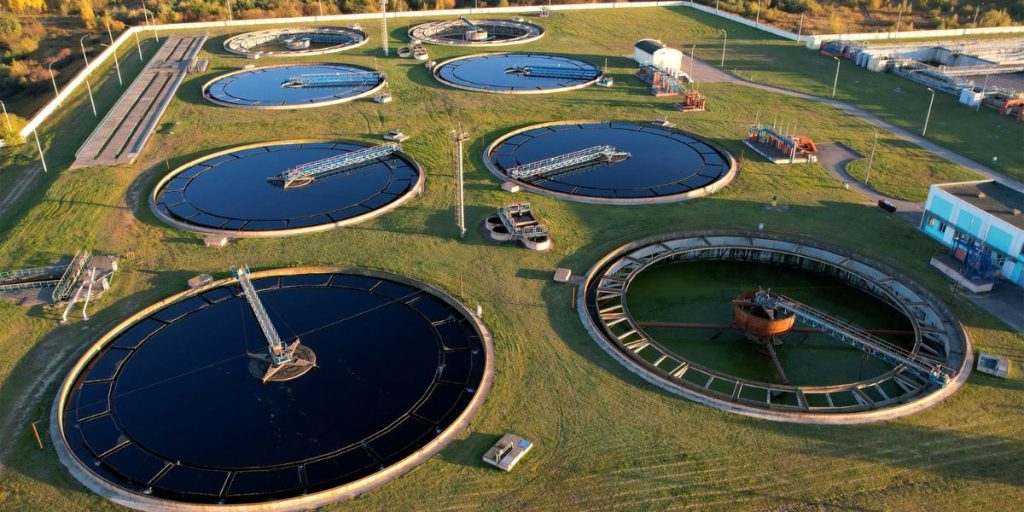
Wastewater transport and industrial systems require piping systems capable of maintaining integrity under aggressive chemical exposure, continuous flow, and variable operating conditions. HDPE fittings for wastewater applications have become a preferred solution for modern treatment plants, industrial facilities, and municipal infrastructure due to their durability, chemical stability, and leak-free performance.
HDPE fittings allow engineers and operators to design wastewater networks that minimize maintenance, reduce environmental risk, and ensure long-term operational efficiency. Their compatibility with electrofusion welding techniques and PE100 material properties makes them particularly suited for contaminated and high-load fluid transfer systems.
Electrofusion Joint integrity under loads
Electrofusion technology plays a critical role in wastewater infrastructure, where joint failure can result in leakage, contamination, and costly remediation. HDPE fittings for wastewater are designed to create fully sealed, monolithic joints that maintain integrity even when exposed to contaminated or abrasive effluents.
In municipal and industrial wastewater applications, joint reliability directly affects environmental safety and operational continuity. Electrofusion fittings ensure consistent sealing performance even when pipelines operate continuously under loads and aggressive internal conditions.
Monolithic sealing without mechanical weak points
Electrofusion joints are formed through controlled heating embedded within the fitting. This process fuses the HDPE fitting directly to the pipe, eliminating gaskets, adhesives, or threaded connections. The result is a single continuous structure that resists infiltration, even under fluctuating pressure conditions.
In wastewater networks, where solids, suspended particles, and chemical residues are present, this monolithic sealing approach significantly reduces the risk of joint degradation over time.
This joint configuration also minimizes internal turbulence at connection points, reducing sediment accumulation and lowering the risk of localized wear. The absence of mechanical interfaces supports long-term sealing stability without the need for periodic retightening or component replacement.
Performance under variable flow and pressure conditions
Wastewater systems often experience irregular flow rates, pressure surges, and intermittent operation. HDPE electrofusion fittings maintain joint stability under these conditions, supporting:
- gravity-fed wastewater lines
- pressurized effluent transfer systems
- pumping stations and lift stations
- industrial discharge pipelines
The uniform strength of electrofusion joints ensures consistent hydraulic behavior, contributing to predictable system performance across the entire network.
Such stability is essential in systems subject to intermittent operation, where frequent start-stop cycles can accelerate joint fatigue. Electrofusion joints distribute mechanical stress evenly across the connection, preserving structural integrity over time.
Traceability and process control
The electrofusion equipment enables digital monitoring and logging of each welding cycle. This allows operators to verify correct fusion parameters, document installation quality, and maintain traceability throughout the asset lifecycle. For industrial operators and utilities, this level of control supports compliance and risk mitigation.
PE100 Chemical resistance in treatment plants
Chemical exposure is one of the most critical challenges in wastewater treatment and industrial effluent handling. HDPE fittings manufactured from PE100 material offer outstanding resistance to a wide range of aggressive substances commonly found in these environments.
Wastewater treatment plants expose piping systems to a wide range of aggressive substances. PE100 maintains chemical stability across diverse operating conditions, ensuring long-term reliability.
Resistance to corrosive and aggressive media
Unlike metal piping systems, PE100 does not corrode when exposed to acids, alkalis, salts, or organic compounds. HDPE fittings for wastewater maintain structural stability when transporting fluids containing:
- detergents and cleaning agents
- industrial process chemicals
- biological waste and sludge
- variable pH effluents
This chemical inertness eliminates the need for protective coatings and significantly extends system service life.
This resistance prevents material degradation caused by acids, bases, and cleaning chemicals commonly used in treatment processes. As a result, system integrity is preserved even under continuous chemical exposure.
Long-Term reliability in harsh environments
The combination of chemical resistance and mechanical flexibility allows HDPE fittings to perform consistently over decades. This reduces unplanned shutdowns and lowers total cost of ownership, a key consideration for industrial operators and public utilities alike.
HDPE fittings resist soil pressure, vibration, and ground movement without cracking. This resilience is particularly valuable in buried wastewater networks subject to settlement and external loads.
Reducing blockages and preventing structural degradation
Blockages and structural degradation are common causes of inefficiency and failure in wastewater networks. HDPE fittings for wastewater systems address these challenges through optimized internal geometry and material performance.
Efficient wastewater transport depends on maintaining unobstructed flow and structurally sound pipelines. HDPE fittings contribute to both objectives through optimized internal geometry and durable joint performance.
Smooth internal surfaces for improved flow
HDPE fittings feature smooth internal bores that minimize friction and prevent material buildup. This characteristic helps reduce the accumulation of solids, fats, and sediments that can lead to blockages in traditional piping systems.
Improved flow efficiency supports consistent transport of wastewater and reduces the need for frequent cleaning or flushing operations.
The low surface roughness of HDPE reduces friction and limits the buildup of deposits. This helps maintain consistent flow rates and minimizes the risk of clogging in long pipeline sections.
Structural Integrity in buried and above-ground installations
HDPE fittings maintain performance in both buried pipelines and exposed installations. Their flexibility allows them to accommodate ground movement and vibration without compromising joint integrity, reducing the risk of cracks or leaks in long-term operation.
This characteristic helps extend service life in networks subjected to continuous particle transport and high flow velocities.
Supporting sustainable and efficient wastewater infrastructure
Beyond performance, HDPE fittings for wastewater contribute to sustainable infrastructure development. Their durability, low maintenance requirements, and recyclability align with environmental and operational objectives.
Reduced leakage minimizes environmental contamination, while long service life lowers material consumption and replacement frequency. For municipalities and industrial operators, this translates into safer, more efficient wastewater systems with measurable long-term benefits.
Conclusion
HDPE fittings for wastewater transfer and industrial systems represent a reliable and future-proof solution for demanding fluid transport applications. Through electrofusion joint integrity, PE100 chemical resistance, these systems support safe, efficient, and sustainable wastewater infrastructure.
For engineers, designers, and operators seeking long-term reliability and reduced operational risk, HDPE fittings provide a strategic advantage in modern wastewater treatment and industrial process networks.